Preventing Hamstring Injuries: How to Prepare and Reduce Your Risk
Nick Petroski, DPT, Petroski Physio
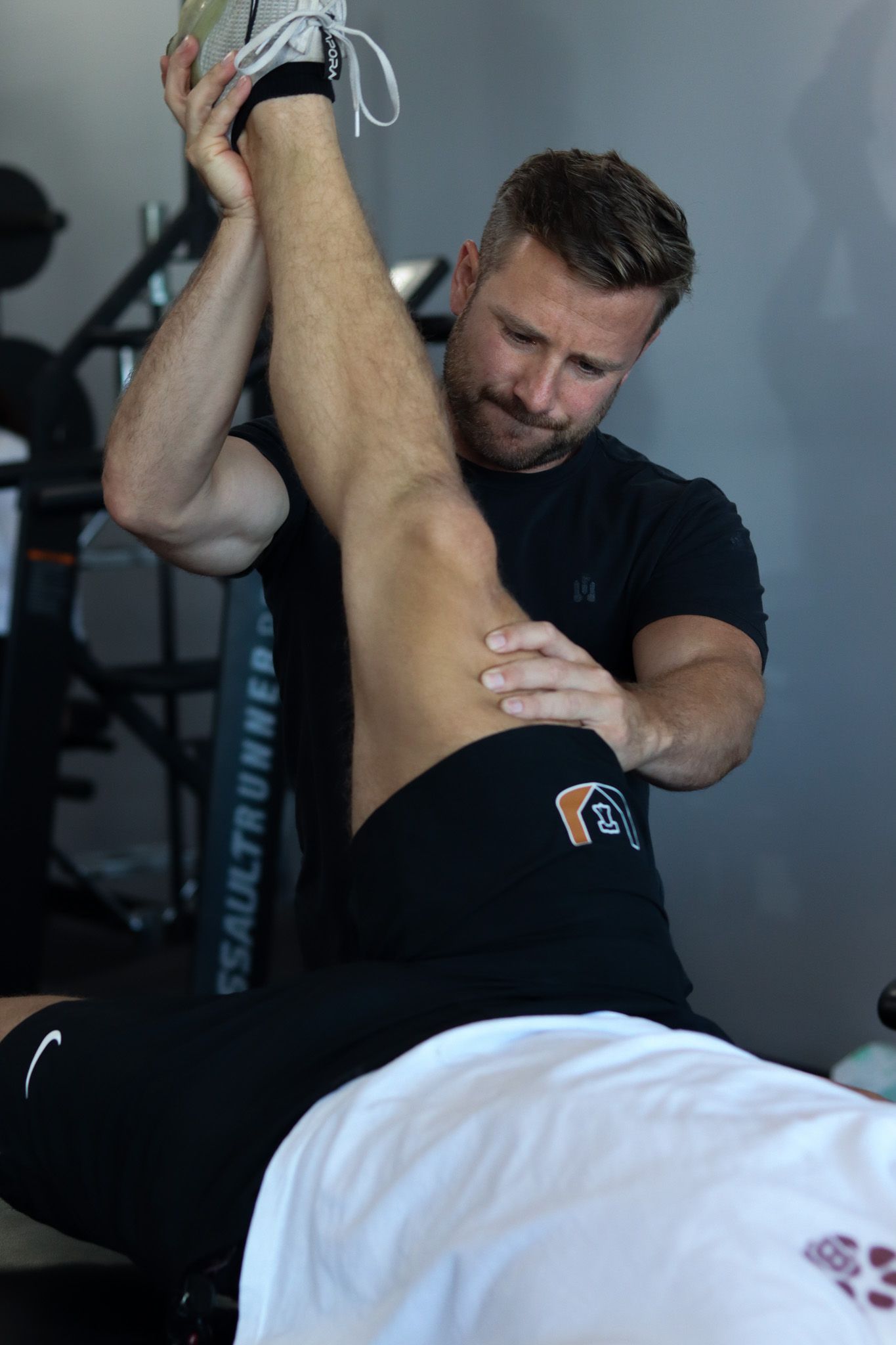
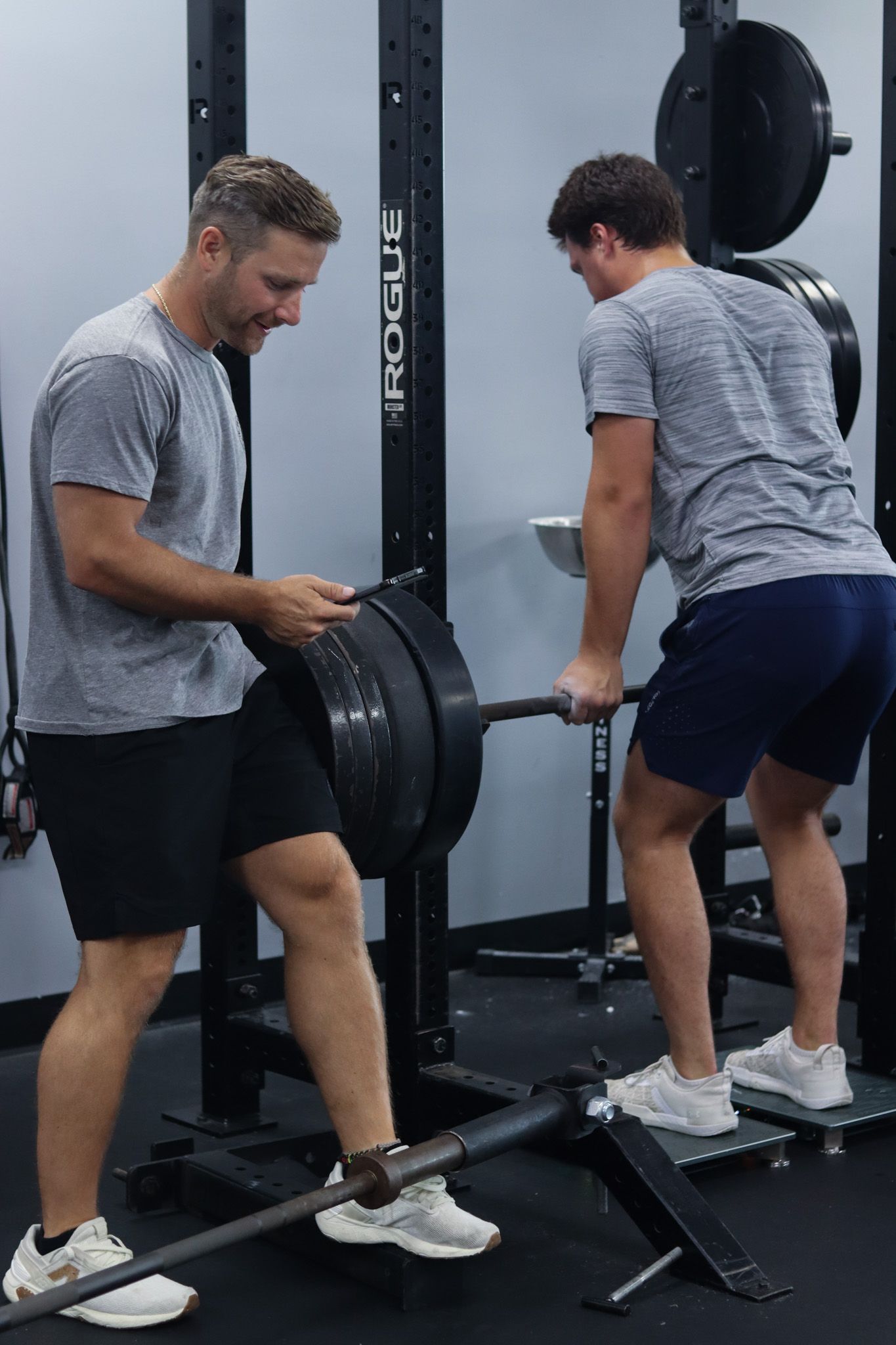
As an athlete, you’ve likely encountered or heard about hamstring injuries. These injuries are incredibly common—they’re the most frequent injury in baseball (about 1 in every 33 games played), soccer (12% of all injuries), football, and track. But why do they happen, and what can you do to avoid them? Hamstring injuries not only cause pain but can also sideline athletes for weeks. Let’s dive into the details and find out how preventing hamstring injuries is obtainable through various methods.
What Is a Hamstring Injury?
A hamstring injury occurs when the muscles in the back of the thigh (hamstrings) aren’t able to tolerate the force that we apply to them. This often happens during high-intensity activities like sprinting, kicking, or making sudden accelerations. Research shows that hamstring strain recovery takes about 13 days on average, though some cases may require a longer rehabilitation period.
Why Do Hamstring Injuries Happen?
A study conducted on soccer players found that hamstring strains typically occur after short bursts of high-intensity running, especially when the body is not adequately prepared. The injury usually happens after a rapid increase in speed during a game, catching the muscles off guard. Preventing hamstring injuries is crucial for athletes who frequently engage in high-speed movements. Typically, these injuries are because the hamstrings aren’t prepared to tolerate the amount force that we are asking them to produce.
How to Prevent Hamstring Injuries
To reduce your risk of hamstring injuries, incorporate these essential strategies into your training plan:
1. Sprint Training
Incorporating sprinting into your regular workouts helps your body adapt to high-speed exertion. Studies suggest that sprint training for injury prevention should be a part of every athlete’s preseason routine. Consistently practicing sprints at full speed builds resilience and prepares your muscles for game-time intensity.
2. High-Intensity Interval Training (HIIT)
High-intensity interval training for athletes is a proven way to improve sprinting capacity and overall endurance. By incorporating HIIT, you’ll prepare your body for the bursts of speed needed in competition, reducing the likelihood of injury.
3. Strengthen Your Hamstrings
Targeted exercises like Nordic hamstring curls, deadlifts, and leg curls are effective in strengthening the hamstring muscles. Building stronger hamstrings helps them withstand the demands of rapid movements, lowering your risk of injury.
4. Monitor Your Workload
Maintaining a balanced workload is key to preventing hamstring injuries. Overtraining or undertraining can increase the risk of muscle strain. Gradually increase your intensity and ensure that you have enough recovery time between sessions.
5. Gradual Progression
If you’re returning from an injury or a long break, ease back into your routine. Gradual progression allows your body to adapt to increasing demands, minimizing the risk of re-injury.
Warm-Up and Cool-Down: Critical for Injury Prevention
A dynamic warm-up for sports is vital before any activity. Warming up increases blood flow to the muscles, preparing them for the intensity of the game. Dynamic stretches and sport-specific drills should be incorporated, especially if your sport involves sprinting. After the activity, a cool-down phase with stretching ensures a gradual return to rest, preventing stiffness and aiding recovery.
Listen to Your Body
Athletes must learn to listen to their bodies. If you experience pain or tightness in your hamstrings, it’s essential to stop and rest. Ignoring warning signs can lead to more severe injuries. Always consult a coach or physical therapist if discomfort persists.
Preventing hamstring injuries requires a balanced approach that includes hamstring strengthening, regular sprinting exercises, and workload monitoring. With proper training, preparation, and recovery, athletes can minimize their injury risk and continue performing at their best. By following these steps, you’ll stay injury-free and ready for action.
Protect Your Performance with Petroski Physio
At Petroski Physio, we specialize in preventing hamstring injuries and keeping athletes at their peak performance. Our personalized rehabilitation and injury prevention programs are designed to strengthen your body and reduce your risk of recurring injuries. Don’t wait until an injury sidelines you—book a consultation with us today and get ahead of the game
Rehab Different
-Nick
FAQs about Preventing Hamstring Injuries
Rehab, different.
Not a clinic. Not a gym.
A place built for progress.
A team built for performance.
A culture built for you.