Concussion Rehabilitation and Return to Sport
Learn how concussion symptoms, physical therapy evaluations, and individualized rehabilitation help athletes progress through recovery and prepare for a safe return to sport.
Chris Kallighan, DPT
2026-10-14T20:23:00.000Z
Concussion Rehabilitation: A Guide to Recovery and Return to Sport
Concussions are traumatic brain injuries that can affect balance, vision, mood, concentration, and exercise tolerance. While they are commonly associated with contact sports, concussions can also occur from falls, car accidents, or other sudden forces that cause the head and brain to accelerate or decelerate.
For athletes, recovering from a concussion involves more than waiting for symptoms to disappear. Understanding the injury, recognizing symptoms, and following an individualized rehabilitation plan are important parts of returning to activity safely.
Recognizing Concussion Symptoms
A concussion can disrupt how brain cells communicate and use energy. Symptoms can vary from person to person and may include:
Headaches
Sensitivity to light
Dizziness or confusion
Blurred vision or other visual disturbances
Balance difficulties
Anxiety or mood changes
One important thing to understand is that a normal CT scan or MRI does not rule out a concussion.
Athletes may also feel pressure to continue playing despite experiencing symptoms. This makes early symptom reporting especially important.
Coaches, parents, and healthcare professionals should encourage athletes to speak up when something feels wrong. Even when symptoms begin to improve, that does not necessarily mean an athlete has fully recovered.
What Does a Concussion Evaluation Involve?
A thorough concussion evaluation looks beyond symptoms alone. Physical therapists consider how the injury occurred, the athlete's medical history, previous concussions, neck injuries, and mental health history.
Depending on the athlete's symptoms and presentation, an evaluation may include:
Physiological response: Monitoring heart rate, blood pressure, and how the body responds to exercise.
Vision and vestibular function: Assessing eye movements, visual coordination, and the vestibular system using tests such as the Vestibular/Ocular Motor Screening (VOMS) and vestibulo-ocular reflex (VOR) testing.
Balance and walking: Evaluating stability and coordination through tests such as the Balance Error Scoring System (BESS), tandem walking, and dual-task activities.
Neck function: Assessing neck mobility, strength, and other musculoskeletal limitations.
Exercise tolerance: Using assessments such as the Buffalo Concussion Treadmill Test when appropriate.
Heart-rate monitors may also be used to track how an athlete responds to exercise and help guide rehabilitation.
The goal of this evaluation is to identify the areas affected by the concussion and determine what the athlete needs throughout recovery.
How Does Concussion Rehabilitation Progress?
Concussion rehabilitation should be based on the athlete's symptoms, physical performance, and ability to tolerate exercise rather than following a strict timeline.
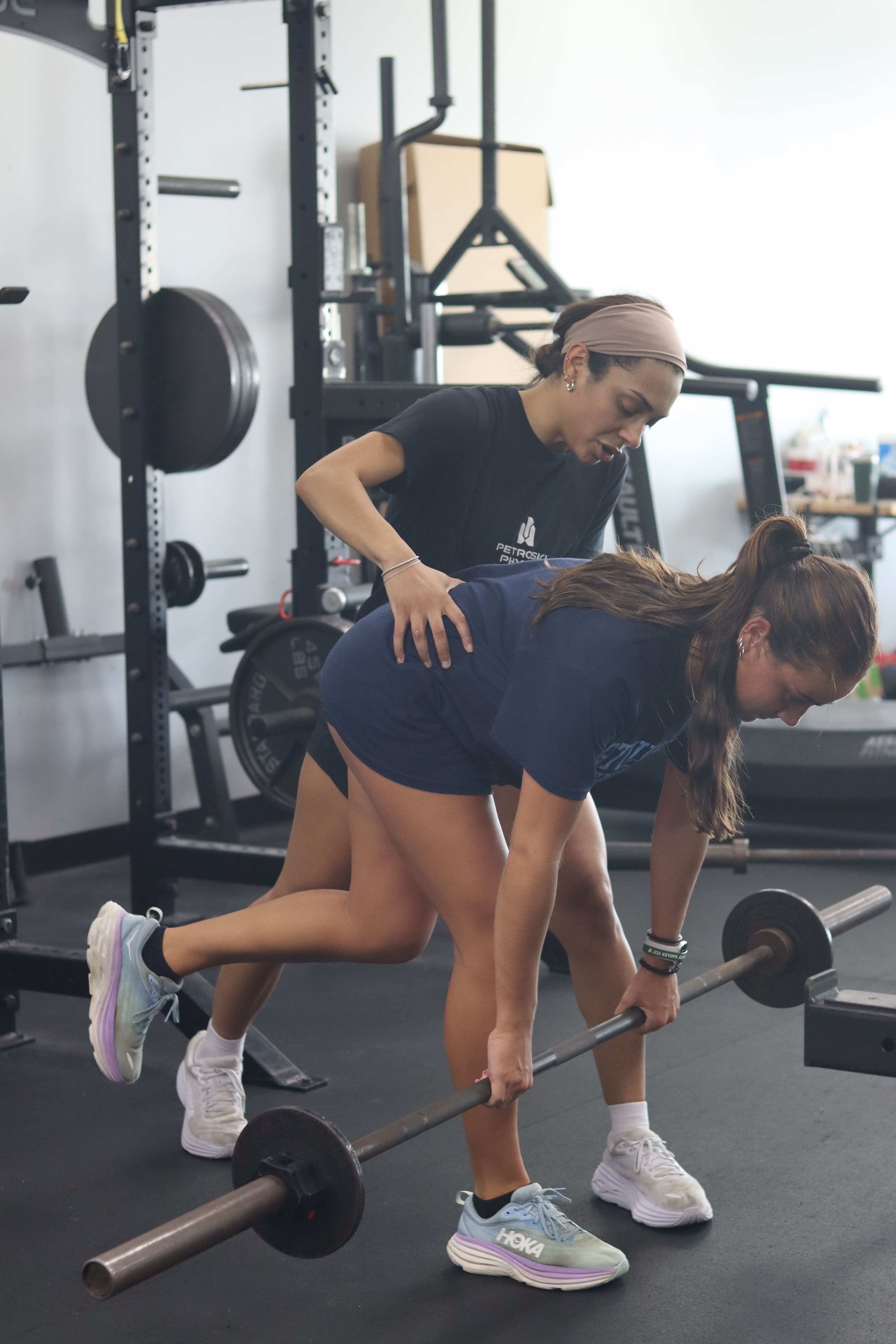
Early rehabilitation may involve light aerobic exercise, neck exercises, vestibular rehabilitation, and basic balance training.
As the athlete improves, treatment can progress to more demanding activities, including:
Resistance training
Dynamic balance exercises
Reaction-time training
Plyometric exercises
Sport-specific movements
These activities help prepare athletes for the physical demands they will face when returning to their sport.
Progression should be based on how the athlete responds to each stage of rehabilitation, not simply how much time has passed since the injury.
When Can an Athlete Return to Sport After a Concussion?
Returning to sport after a concussion requires a gradual progression.
Return-to-sport protocols typically involve multiple stages, with at least 24 hours between stages. However, moving through these stages as quickly as possible should never be the priority.
The first 10 to 14 days following a concussion require particular caution, although every athlete's recovery timeline is different.
An athlete may feel better before they are fully prepared to handle the physical demands of their sport. This is why monitoring symptoms, exercise tolerance, and functional performance throughout rehabilitation is so important.
Before returning to contact or activities with a risk of collision, athletes should complete the appropriate return-to-sport process and receive any required medical clearance.
The goal is not to return to competition as quickly as possible. It is to return when the athlete is ready.
Why Concussion Education Matters
Understanding concussions is an important part of athlete safety.
Athletes, parents, and coaches should recognize concussion symptoms, understand the importance of reporting them, and know why a gradual return to activity matters.
In some athletic settings, baseline concussion screening may also provide helpful information for comparison following an injury.
Physical therapists play an important role throughout recovery by evaluating movement, balance, vision-related and vestibular function, neck impairments, and exercise tolerance.
At Petroski Physio, the focus is on understanding each athlete's individual needs and progressing rehabilitation based on their response to treatment and the demands of their sport.
The Goal of Concussion Rehabilitation
Concussion recovery is not just about becoming symptom-free. It is about making sure the athlete can tolerate activity and is appropriately prepared for the demands of returning to sport.
A thorough evaluation, individualized rehabilitation plan, and gradual return-to-sport progression all play an important role in that process.
Returning to sport should be based on readiness, not how quickly an athlete can get back on the field.
Writing
Recovering From a Concussion?
At Petroski Physio, we help athletes work through the rehabilitation process with individualized treatment focused on their symptoms, movement, and sport-specific goals.
Schedule an evaluation to take the next step in your recovery.
Rehab, different.
Not a clinic. Not a gym.
A place built for progress.
A team built for performance.
A culture built for you.