Why We Use Isometric Testing at Petroski Physio
Isometric testing helps clinicians measure force production, identify hidden deficits, and make safer return-to-sport decisions using objective performance data.
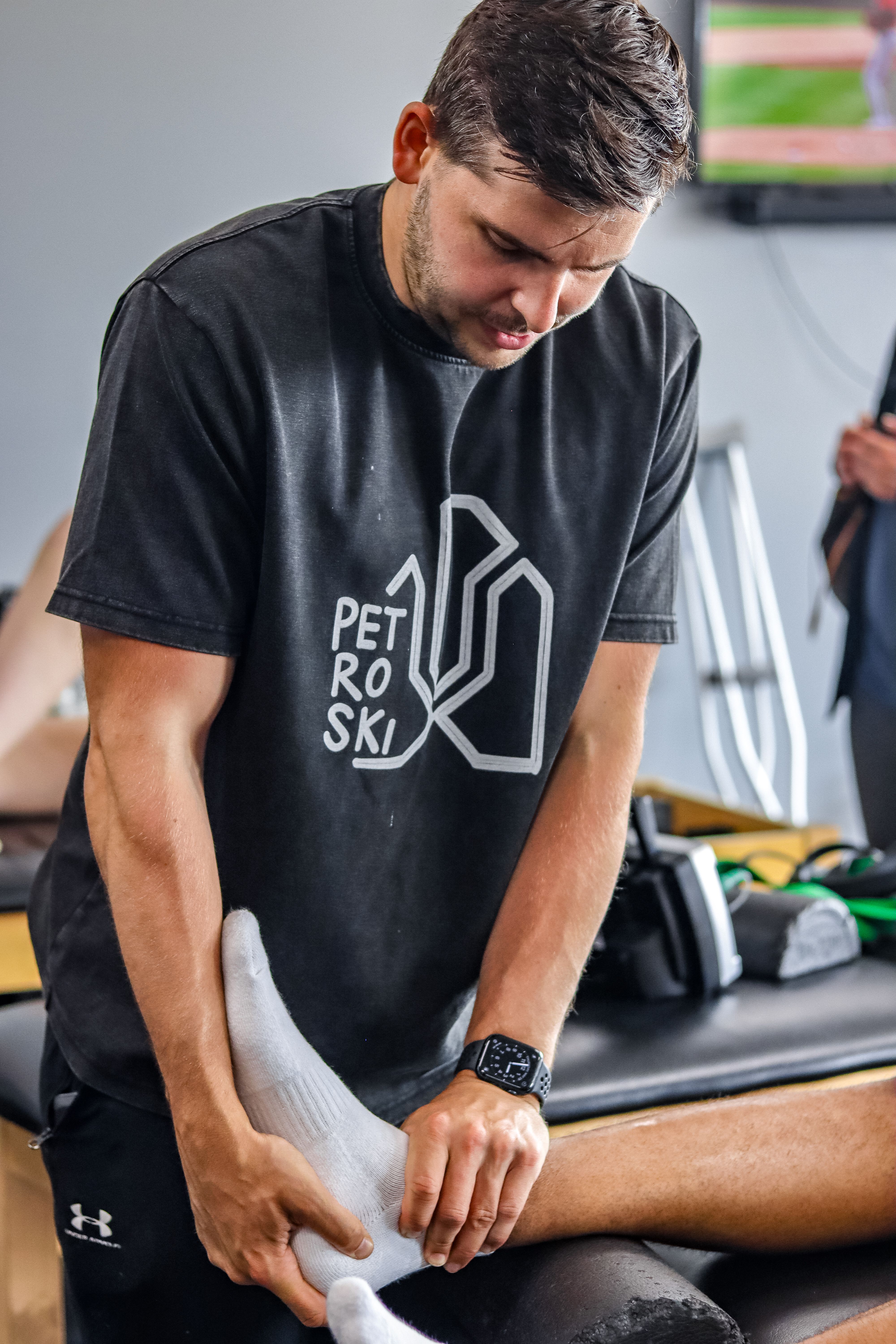
Jared Hermann, DPT
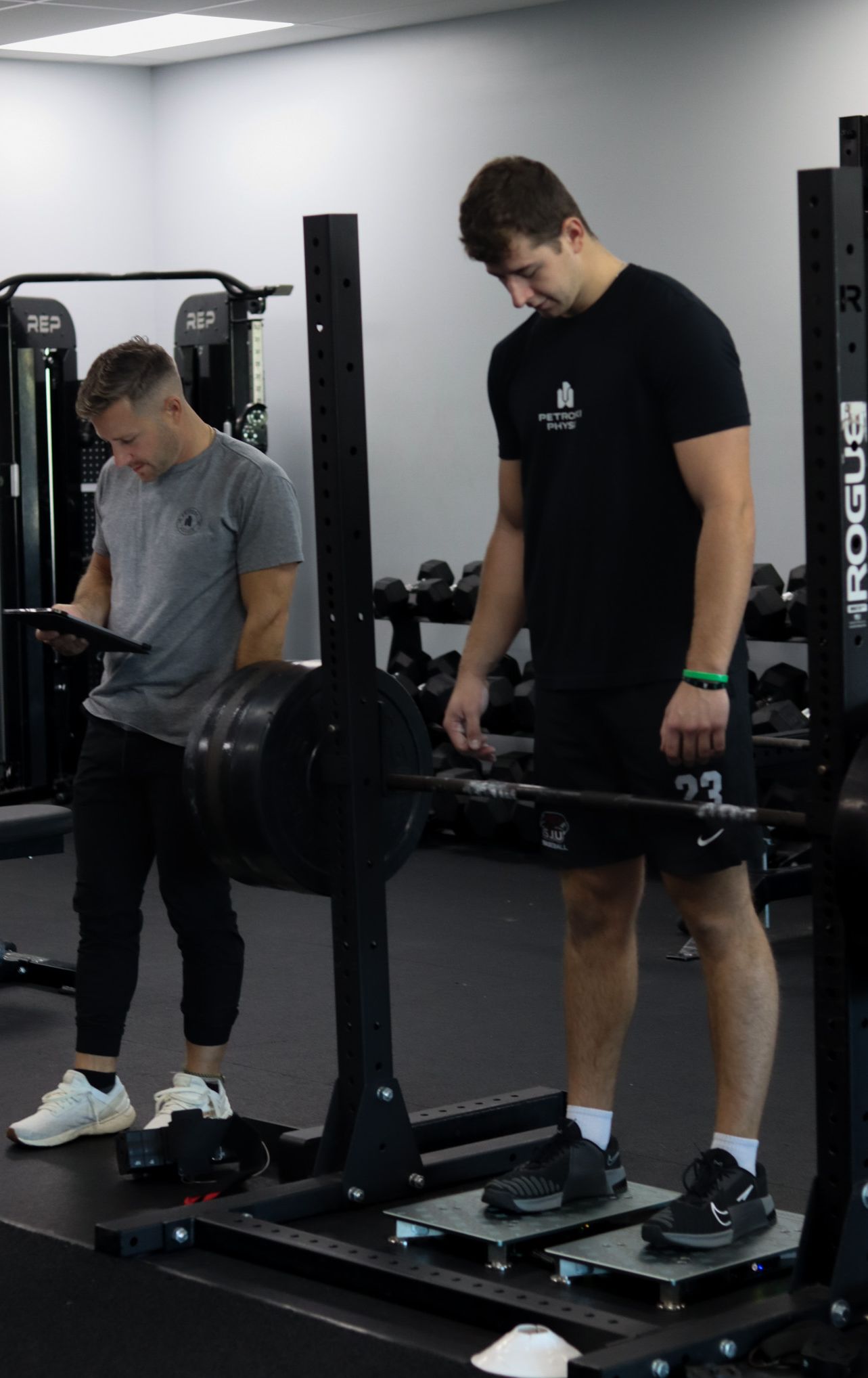
When athletes think about testing, they usually picture sprint times, vertical jumps, or how much weight they can lift.
Those tests certainly have value, but some of the most useful information we gather comes from something much simpler: isometric testing.
At Petroski Physio, isometric testing is a key part of how we evaluate athletes during rehabilitation, monitor strength development, and make return-to-sport decisions. The test itself may not look impressive from the outside. An athlete pushes or pulls as hard as possible without actually moving. But the data it provides can reveal a lot about how prepared the body truly is.
What Is Isometric Testing?
An isometric contraction occurs when a muscle produces force without changing length. In other words, the athlete is working hard, but the joint itself isn’t moving.
Think about pushing against an immovable object or pulling against a fixed strap. You’re generating force, but nothing is actually moving.
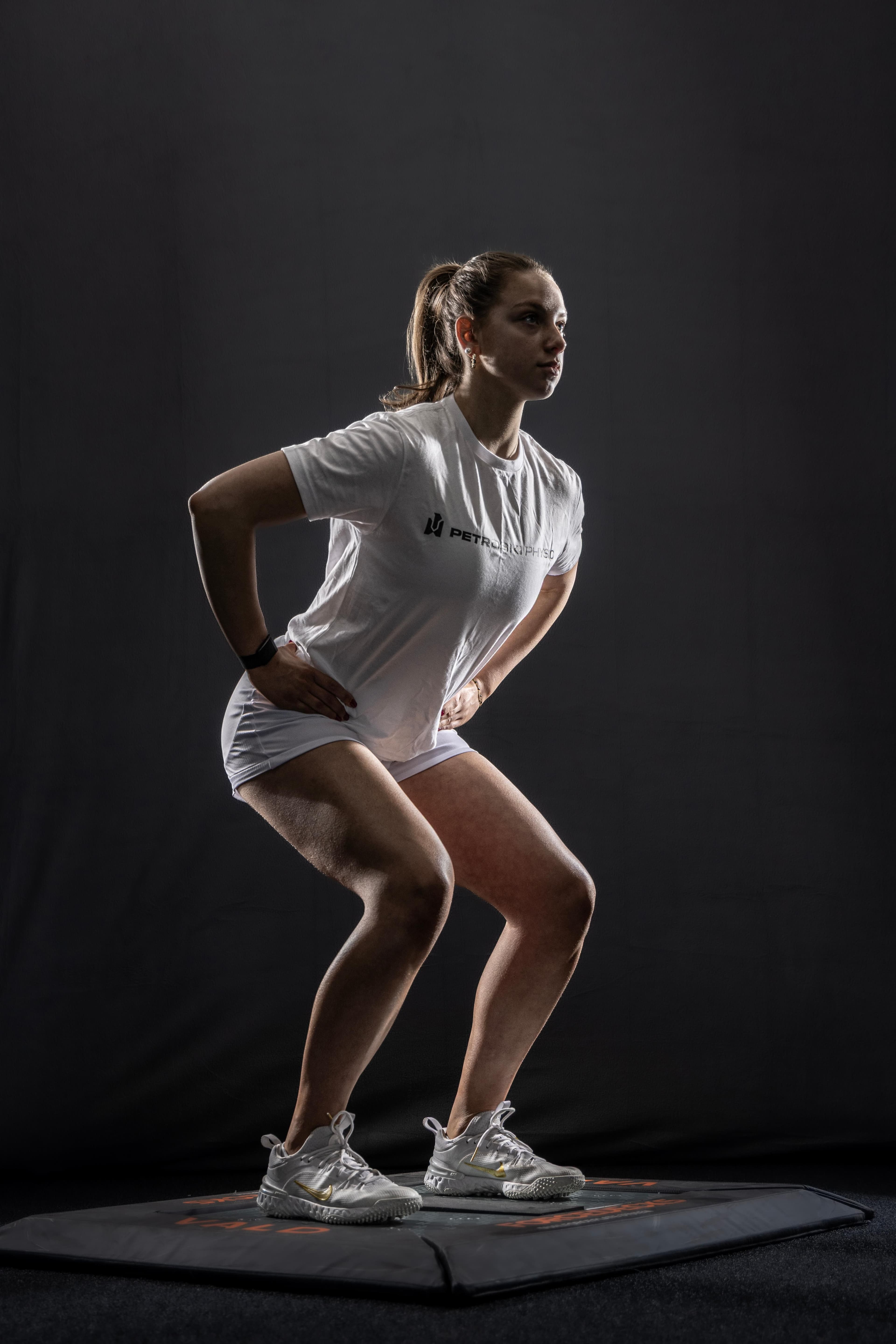
Using specialized equipment, we can measure exactly how much force an athlete produces in specific positions. This allows us to evaluate strength, compare one side of the body to the other, and track progress over time with a high degree of accuracy.
Because the body remains in a fixed position, testing is safe, repeatable, and easy to perform throughout different stages of rehabilitation.
Looking Beyond Traditional Strength
Many people think strength is simply about how much weight someone can put on a barbell.
In sports, strength is only part of the equation.
Athletes need to produce force quickly, efficiently, and in positions that reflect the demands of competition. The ability to create force rapidly is often what separates a successful movement from an injury-producing one.
Whether it’s a soccer player cutting to change direction, a basketball player landing from a rebound, or a baseball player exploding out of the batter’s box, the body has only fractions of a second to react.
Isometric testing allows us to look at more than just raw strength. We can evaluate how much force an athlete can generate, how quickly they can generate it, and whether one side is lagging behind the other.
Those details matter when athletes are trying to return to high-level performance.
Why Objective Data Matters
One of the challenges in sports rehabilitation is that athletes often feel ready before their body is fully prepared.
Pain may be gone. Movement may look normal. Confidence may be returning.
But underneath the surface, important deficits can still exist.
This is where objective testing becomes valuable.
Rather than relying solely on how an athlete feels, we can measure what their body is actually capable of producing. If strength is still significantly reduced on one side, or force production hasn’t returned to expected levels, we know more work needs to be done.
The goal isn’t to slow athletes down. The goal is to give them the best chance of returning safely and performing at their highest level.
Why Position-Specific Testing Matters
Sports don’t happen in a weight room.
They happen while sprinting, cutting, accelerating, decelerating, and reacting to the environment.
That’s why we often perform isometric testing in positions that closely resemble athletic movements.
The hip, knee, and ankle all play critical roles in running and change-of-direction performance. If an athlete can’t produce force effectively through those areas, they may not be ready for higher-speed activities, regardless of how good they look during basic exercises.
By testing force production in sport-relevant positions, we gain a clearer picture of how prepared the athlete is for the next stage of rehab or performance training.
A Valuable Tool After Injury
One of the most common mistakes in rehabilitation is assuming that movement equals recovery.
An athlete may walk normally, jog without pain, or complete their exercises successfully while still having significant strength deficits.
We see this frequently after injuries such as:
ACL reconstruction
Achilles tendon injuries
Hamstring strains
Patellar tendon issues
Ankle injuries
Movement often returns before force production does.
Isometric testing helps us identify lingering weaknesses, side-to-side imbalances, and compensation patterns that may not be obvious during everyday movement.
Finding those deficits early allows us to address them before they become bigger problems during return to sport.
Low Stress, High Value
Another reason we rely on isometric testing is that it places relatively little stress on the body.
Unlike maximal sprinting, jumping, or other high-impact performance tests, isometric assessments can often be performed much earlier in the rehabilitation process.
This allows us to gather meaningful information without exposing healing tissues to unnecessary risk.
Because the testing is quick and repeatable, we can also monitor progress regularly and make adjustments based on real data rather than assumptions.
Consistency Is Everything
For testing to be useful, it must be consistent.
Small changes in body position, joint angles, footwear, or equipment setup can influence the results. That’s why we place a strong emphasis on standardized testing procedures.
The goal is to compare athletes against themselves over time. If the testing environment changes every session, the data becomes less meaningful.
Reliable decisions require reliable measurements.
More Than a Number
At the end of the day, isometric testing isn’t about chasing numbers.
It’s about understanding what those numbers tell us.
Is the athlete getting stronger?
Is one side still lagging behind?
Can they produce force quickly enough for the demands of their sport?
Are they truly ready to progress to running, cutting, jumping, or competition?
Those are the questions we’re trying to answer.
The Bottom Line
Isometric testing has become one of the most valuable tools in modern sports rehabilitation and performance training because it provides objective information without placing excessive stress on the athlete.
It helps us track progress, identify hidden deficits, guide training decisions, and make more informed return-to-sport recommendations.
Most importantly, it helps remove some of the guesswork from the rehab process.
When athletes are returning from injury, looking ready and being ready are not always the same thing. Isometric testing helps us close that gap and make better decisions every step of the way.
Rehab, different.
Not a clinic. Not a gym.
A place built for progress.
A team built for performance.
A culture built for you.